Regenerative Equity — a share structure that structurally undoes damage
A share-like instrument, applicable to any for-profit company, that turns profit distribution from an extractive into a regenerative act — not as a policy layer, but inside the share structure itself.
Conventional equity is an engine of extraction
Three structural defaults drive this — and no ESG badge, B-Corp certification or mission statement removes them, because they sit in the share structure itself.
Unbounded personal upside
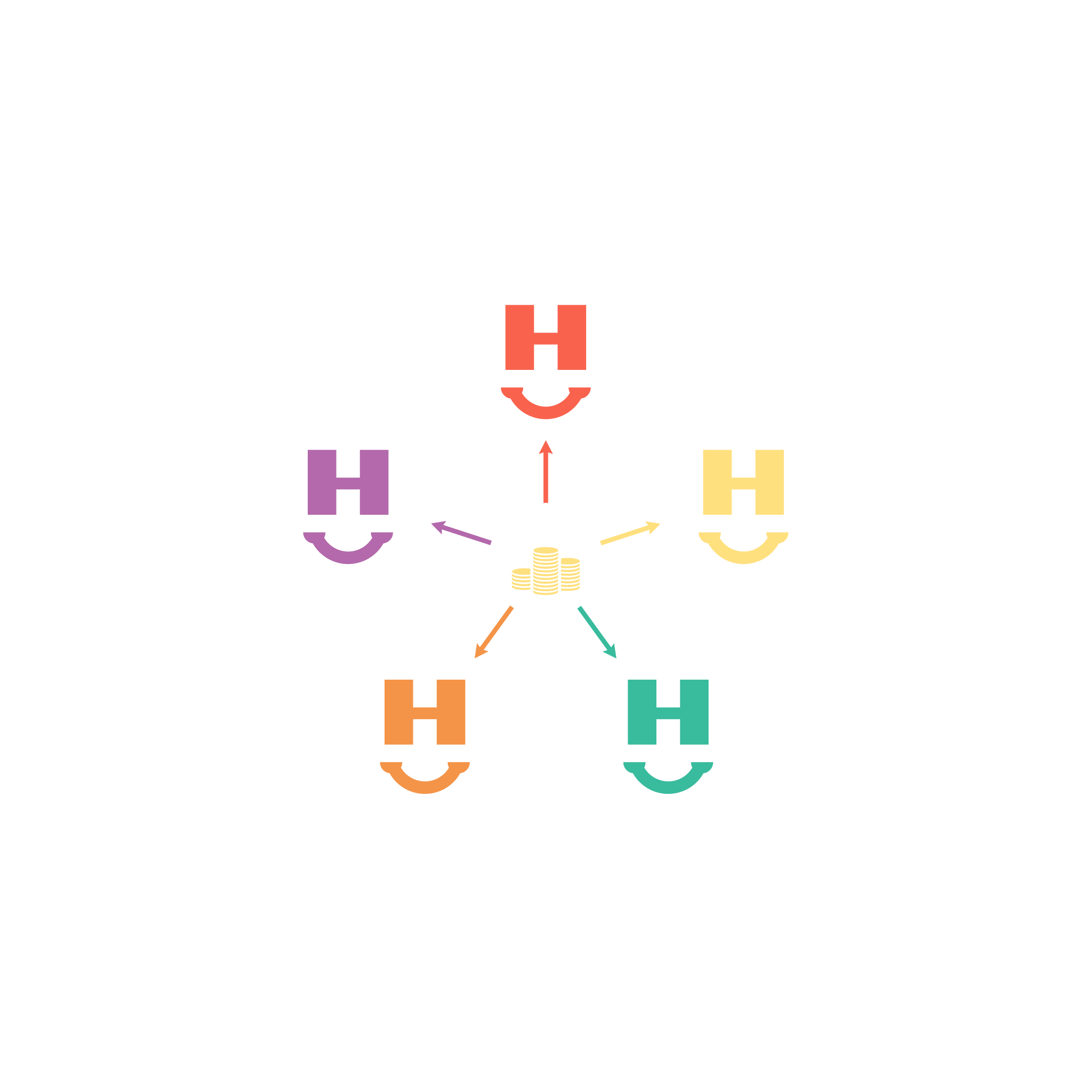
Shareholders can capture an unlimited multiple of their contribution. Past a certain point this improves no real quality of life — it just concentrates wealth and pushes for more growth.
Ownership decoupled from stewardship
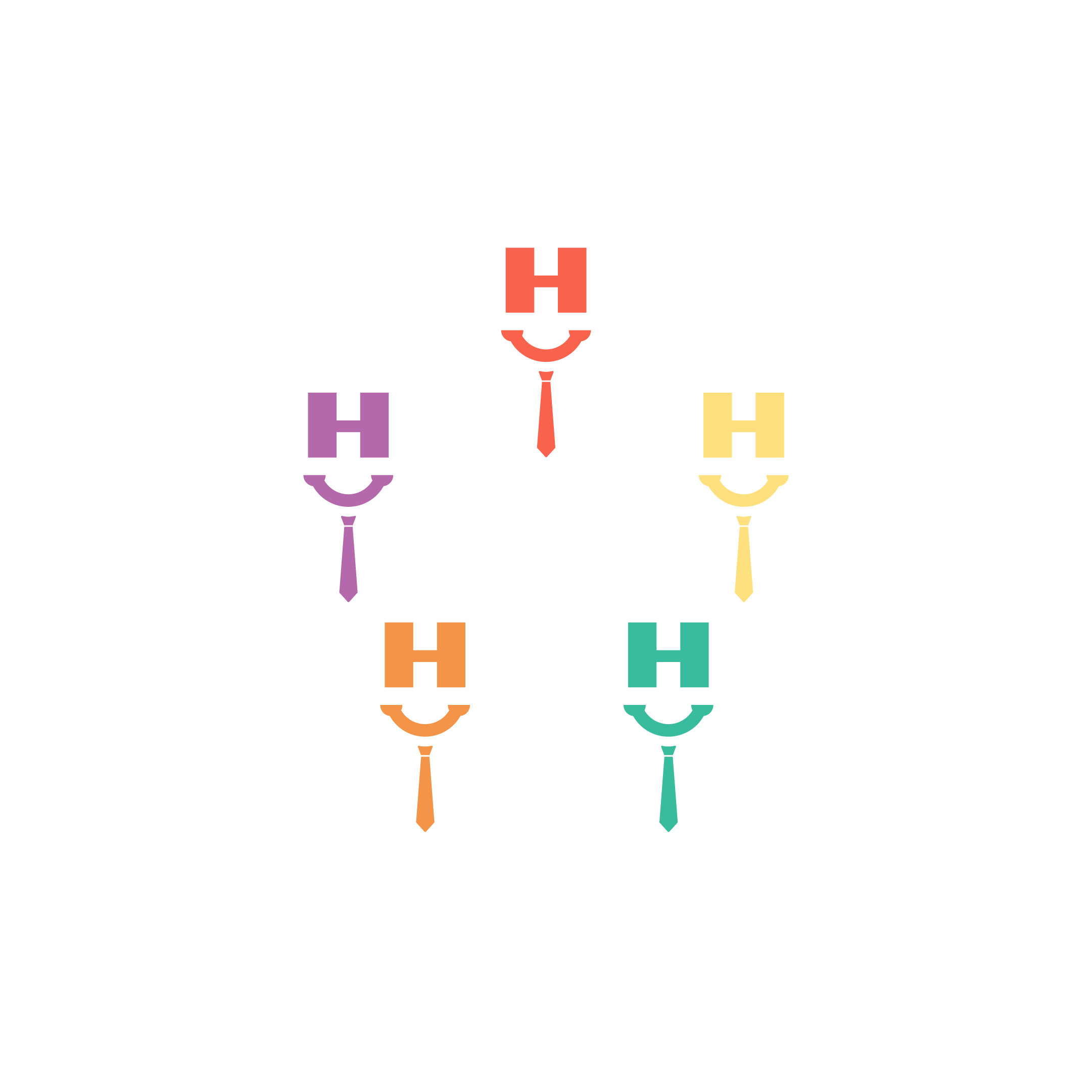
Voting power follows share count, not responsibility carried. Those most exposed to the impact — employees, communities, ecological partners — have no seat on the cap table.

Dividends only flow to capital
Time, attention and care are treated as labour cost. Only money earns a claim on surplus — encoding the primacy of capital into the company's DNA.

Replace the three defaults — at the level of the share structure itself
- Personal upside capped — at a dignified life (Good Life Budget).
- Ownership = stewardship — dividend rights are earned through awareness and care, not just contribution.
- Time and capital as equals — 50/50 split, with partner organisations on the cap table.
- Surplus = regeneration — profit above the aggregate GLB flows by design into mission, ecosystem and partners.
Four shareholder categories
Each category carries board representation — no single kind of contribution can capture the company alone.

Mission Steward
Representatives of a mission-anchoring entity (foundation, perpetual-purpose trust, golden share) that guarantees the purpose cannot be diluted or sold.

Time Contributor
Individuals who contribute time and effort — valued by the LETS principle: an hour is an hour.

Capital Contributor
Individuals who contribute financially — including ecosystem contributions made as a client or partner before incorporation.
Regenerative Partner
Partner organisations (Nodes of Change) in active regenerative collaboration with the company.
Four conditions to unlock dividend rights
Time and Capital Contributors only earn the right to a Good Life Dividend once all four conditions are met.

Awareness of the challenges
2 awareness workshops on the structural dynamics (economic, ecological, social) the mission responds to.

Understanding of root causes
A foundational training in systems thinking, so you can locate the company's work in the wider system.
Personal Good Life Budget
Each shareholder sets their own GLB through a structured budgeting method, capped at the dignified-living formula.

Income logged transparently
Income from all sources is tracked on a shared platform, so the mechanism can compute each person's GLB-respecting share.
Good Life Budget = 60% of median income × Cultural Justice Coefficient
The coefficient is calibrated per jurisdiction — e.g. factor 7 in Belgium and the Netherlands — capping personal dividend take at a dignified living budget.
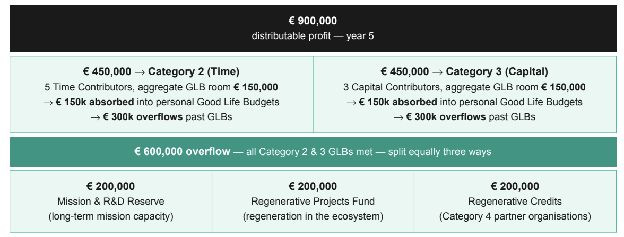
Worked example: €900,000 profit, two thirds becomes regenerative
Of €900,000, €300,000 flows to individuals — and no further, because every contributor's dignified-life cap is respected. The remaining €600,000 flows back into regeneration: mission, R&D, ecosystem projects and partner credits.
Numbers are illustrative. The same arithmetic applies for any year and any profit size: once personal caps are met, the marginal euro becomes regenerative by construction.
Systemic impact
Five directly observable effects the model produces — not a softer version of equity, but a different asset class.
Wealth concentration structurally bounded
The GLB cap means no shareholder, however much time or capital they brought, can capture more than a dignified life from this company.
Surplus is automatically regenerative
Every euro of profit beyond enough can only travel outward — into mission, ecosystem and partners. Externalities become internal beneficiaries.
Time and capital are co-equal
The 50/50 split between categories 2 and 3, plus stewardship preconditions, ends the structural primacy of capital.
Speculation is engineered out
Book-value buy-back, capped GLB and expiring partner credits remove every channel through which the asset could be priced as future scarcity.
The ecosystem sits on the cap table
Through Nodes of Change, the Regenerative Projects Fund and the Mission & R&D Reserve, the partner network becomes a structural beneficiary of success.
Regenerative Partner Credits — carrying regeneration outward
A third destination for GLB-overflow surplus is a credit pool for partner organisations. Credits live in local currency or a dedicated token system, and can only be spent on ecosystem products that accelerate regeneration.
- 50% split equally per partner.
- 50% pro rata on revenue spent within the ecosystem.
- Credits expire after one year — no speculative accumulation.

Legal framework ready by summer 2026
The Regenerative Equity model is currently being designed by Impact Advocaten — a legal practice specialised in mission-anchored and stakeholder-governed company structures.
A finalised legal package — articles of association, shareholder agreement and governance by-laws — is expected by summer 2026. After that, any for-profit organisation can adopt the model.
Want to build your company on Regenerative Equity?
Drop your details — we'll contact you the moment the legal framework is operational, and keep you posted on progress in the meantime.